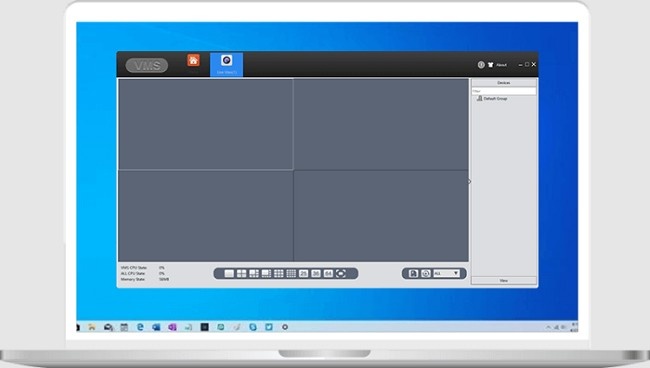
XMEye for Mac - Free Download
XMEye is a powerful video surveillance application primarily used for monitoring CCTV cameras and DVR systems. It allows users to view live video feeds, control connected devices, and access stored footage remotely. While XMEye has native versions for Android and iOS, Mac users have often sought ways to access their CCTV feeds on their computers. In this guide, we'll explore how to install and use XMEye on a Mac, covering both the installation process and practical usage.
What is XMEye?
XMEye is a video management software that provides users with remote access to their security cameras and DVR systems. With XMEye, users can monitor multiple camera feeds, review recordings, and receive alerts for motion detection or other unusual activities. The app is widely used for both home and business surveillance, offering a range of features:
Live Viewing: Stream live footage from CCTV cameras.
Playback: Access recorded footage from DVR systems.
Remote Control: Adjust camera settings and configurations remotely.
Two-Way Audio: Communicate with people near the cameras through supported devices.
Push Notifications: Get instant alerts for motion detection or system events.
Why Use XMEye on Mac?
Though XMEye is most popular on mobile platforms, many users prefer the larger screen and better control of their Mac. Here are a few reasons why using XMEye on a Mac can be a great choice:
Larger Display: Viewing camera feeds on a larger screen enhances the monitoring experience, especially when dealing with multiple cameras.
More Control: It’s easier to navigate through the application with the precision of a mouse and keyboard.
Increased Performance: Macs generally handle extended video streaming sessions better than mobile devices.
Storage and Backup: Storing and organizing video footage locally is easier on a Mac, and managing your backups is more straightforward.
How to Install XMEye for Mac Device?
Step 1: Check System Requirements
Before installing XMEye on your Mac, make sure your system meets the following requirements:
Operating System: macOS 10.10 (Yosemite) or later.
RAM: 4GB minimum.
Storage: At least 200MB free space for the app and additional space for storing footage.
Graphics: A standard graphics card supporting OpenGL 2.0 or higher.
Step 2: Install an Android Emulator on Your Mac
XMEye does not offer a native macOS version. To run it on your Mac, you will need to use an Android emulator. Two popular emulators for macOS are BlueStacks and Nox Player, which allow you to run Android apps on your Mac. Here’s how to install BlueStacks:
Download BlueStacks: Visit the official BlueStacks website at bluestacks.com and download the macOS version.
Install BlueStacks: Open the downloaded file and follow the on-screen instructions to install BlueStacks on your Mac.
Launch BlueStacks: After installation, open BlueStacks. You may need to sign in with your Google account to access the Play Store.
Step 3: Install XMEye on BlueStacks
Once you have BlueStacks running on your Mac, follow these steps to install XMEye:
Open the Google Play Store: Inside BlueStacks, go to the Google Play Store.
Search for XMEye: In the search bar, type "XMEye" and click on the app in the search results.
Install XMEye: Click the “Install” button and wait for the app to download and install on BlueStacks.
Launch XMEye: After installation, you can open XMEye directly from BlueStacks’ home screen.
How to Set Up and Use XMEye on Mac?
Step 1: Create and Log in to Your XMEye Account
Open the XMEye app from within BlueStacks.
If you’re a new user, click on “Register” to create an account.
If you already have an account, enter your credentials to log in.
Step 2: Add Your CCTV Devices
To start monitoring your cameras, you’ll need to add your CCTV devices to XMEye. There are two main ways to add devices:
Manual Input:
In the XMEye app, click on the “Add Device” button.
Enter your DVR or camera’s Serial Number, IP address, username, and password.
Once added, your device will appear in the device list, and you can start monitoring.
Scan QR Code:
If your device supports QR code scanning, you can scan the code on your DVR or camera to automatically add it to XMEye.
Step 3: Customize Camera Settings
Once your devices are added, you can adjust various settings to optimize performance:
Stream Quality: Adjust the video resolution to balance performance and video quality.
Motion Detection Zones: Set specific areas within the camera’s field of view where motion is detected.
Recording Settings: Set schedules for recording or enable continuous recording based on your preferences.
Step 4: Start Monitoring
Once everything is set up, you can begin monitoring your CCTV cameras from your Mac:
Live View: Click on a camera feed to start viewing it in real-time.
Playback: Access recorded footage by selecting the playback option for a specific camera.
Control: Adjust PTZ (pan-tilt-zoom) cameras or change the settings for individual cameras directly from XMEye.
Features of XMEye App
Multi-Device Monitoring: Monitor up to 4 cameras on a single screen.
Real-Time Alerts: Receive push notifications for motion detection or system errors.
Two-Way Audio Support: Speak through cameras that support two-way audio.
HD Video Streaming: Enjoy high-definition video quality for crystal-clear surveillance.
Cloud Storage: Option to back up footage to the cloud for secure storage.
Troubleshooting XMEye on Your Device
1. The App Crashes on Startup
Ensure your macOS and BlueStacks are updated to the latest versions.
Clear the cache of BlueStacks by going to its settings.
Reinstall XMEye through the Google Play Store.
2. Slow Video Feed
Lower the video resolution in the XMEye app settings to reduce load on your internet connection.
Ensure that your Mac is connected to a high-speed, stable internet connection.
3. No Devices Showing
Double-check that the devices are properly connected and powered on.
Ensure that the correct login details and IP addresses are entered for each device.
4. Unable to Receive Alerts
Verify that push notifications are enabled for XMEye.
Ensure that your device’s internet connection is stable, as alerts require connectivity.
Benefits of Using XMEye on Mac
Convenient Monitoring: A Mac provides a larger screen to view multiple feeds simultaneously, offering a more comprehensive monitoring experience.
Improved Interface: The mouse and keyboard controls make navigating and controlling the app more intuitive compared to mobile apps.
Reliable Performance: Macs generally offer better system stability and reliability when running extended monitoring sessions.
Easy Data Management: You can back up footage and manage files more effectively on a Mac.
Alternatives to XMEye for Mac
While XMEye is a popular app for monitoring CCTV feeds, there are alternative solutions for Mac users:
iVMS-4500: A video management app for Hikvision devices.
Blue Iris: A paid software for video surveillance that supports various IP cameras.
VLC Media Player: Use this open-source media player to view recorded footage from your DVR or camera system.
Frequently Asked Questions
1. Can I install XMEye on a Mac without using an emulator?
No, XMEye does not have a native macOS version, so you will need to use an Android emulator like BlueStacks.
2. Is XMEye free to use on a Mac?
Yes, XMEye is free to download and use, but certain features like cloud storage may require a paid subscription.
3. How can I improve streaming quality on XMEye for Mac?
You can reduce the video resolution in the app settings or check your internet connection for a better streaming experience.
4. Can I use XMEye on multiple Macs?
Yes, you can install and use XMEye on multiple Macs by following the same steps for each machine.
5. How do I get rid of the "Device Offline" error?
Ensure your device is powered on, connected to the internet, and that the correct IP address and login credentials are entered in XMEye.
Conclusion
Using XMEye on a Mac offers a powerful way to manage your CCTV cameras and DVR systems remotely. While the app doesn’t have a native macOS version, Android emulators like BlueStacks make it easy to run XMEye on your Mac. The process of installation and setup is straightforward, and once configured, you’ll have access to all the features XMEye offers, including live monitoring, playback, and two-way audio support.
By following this guide, Mac users can enhance their surveillance experience with XMEye and enjoy the benefits of a larger display, better control, and more efficient performance. Whether you’re using XMEye for home security or business surveillance, it’s a reliable solution for managing your CCTV feeds from your Mac.