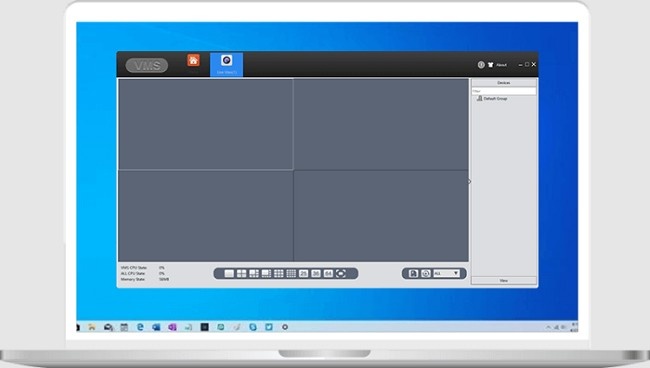
XMEye for Windows 7/8/10/11 PC - Free Download
XMEye is a popular cloud-based video surveillance application developed primarily for CCTV camera users. While it's widely known as a mobile app, many users look to access their camera feeds on a larger screen, such as a PC running Windows. This guide will walk you through the essential steps to download, install, and use XMEye for Windows. Additionally, we’ll explore its features, benefits, and frequently asked troubleshooting solutions.
What is XMEye?
XMEye is a video monitoring application designed for IP cameras and DVRs (Digital Video Recorders). It allows users to access real-time video streams, play back recordings, and manage their surveillance systems remotely. Some of its key features include:
Cloud Storage: Securely store footage for easy access.
Two-Way Audio: Communicate directly through supported devices.
Motion Detection Alerts: Get notified about unusual activity.
Remote Access: Monitor your cameras from anywhere.
Why Use XMEye on Windows?
While the mobile app is convenient, using XMEye on a Windows PC offers:
Larger Display: Ideal for monitoring multiple cameras.
Improved Control: Easier navigation with a keyboard and mouse.
Better Performance: Windows PCs can handle extended streaming sessions efficiently.
Data Backup: Save footage directly to your PC’s storage for added security.
How to Install XMEye for Windows 7/8/10/11 PC?
Step 1: Check System Requirements
Before proceeding, ensure your PC meets the following:
Operating System: Windows 7, 8, 10, or 11.
RAM: Minimum of 2GB (4GB recommended).
Storage: At least 100MB free space.
Graphics Card: DirectX 9 compatible.
Step 2: Download an Android Emulator
Since XMEye doesn’t have a native Windows app, you’ll need an Android emulator like BlueStacks or Nox Player.
Visit the official website of the emulator (e.g., BlueStacks).
Download and install the emulator on your PC.
Step 3: Install XMEye Using the Emulator
Open the emulator and sign in with your Google account.
Access the Google Play Store within the emulator.
Search for “XMEye” and click on “Install.”
Once installed, launch the app from the emulator’s home screen.
Setting Up XMEye on Windows
Step 1: Create an Account
Open the XMEye app.
Click on "Register" and fill in the necessary details (email, password, etc.).
Verify your account through the confirmation email.
Step 2: Add Your Device
Log in to your XMEye account.
Select "Add Device" and choose between manual input or device scan.
Enter the DVR or IP camera details, such as serial number and login credentials.
Save the settings and start monitoring your feeds.
Step 3: Customize Settings
Set motion detection zones.
Adjust video quality for optimized performance.
Schedule recordings as needed.
Benefits of XMEye on Windows
Centralized Monitoring: Perfect for users managing multiple cameras.
Efficient Data Management: Easier to organize and archive footage.
Enhanced Viewing Experience: Clearer video quality on larger screens.
Improved Security: Regular backups and secured local storage.
Common Issues and Troubleshooting Tips
1. Unable to Connect to the Camera
Ensure the device is powered on and connected to the network.
Check the IP address and port settings.
2. Emulator Performance Issues
Allocate more RAM to the emulator in its settings.
Update your graphics driver for smoother performance.
3. App Crashes on Emulator
Clear the emulator’s cache.
Reinstall the XMEye app.
4. Slow Video Streaming
Reduce the video quality in app settings.
Ensure a stable internet connection with sufficient bandwidth.
Alternative Methods to Use XMEye on PC
Option 1: Native CMS Software
Some DVRs and IP cameras compatible with XMEye come with native CMS (Camera Management Software) for Windows. Check with your device manufacturer for availability.
Option 2: Browser-Based Monitoring
If your DVR or camera supports it, you can access the video feeds through a web browser using the device’s IP address and login credentials.
Safety Tips for Using XMEye
Update Firmware Regularly: Ensure your DVR or camera is running the latest firmware to protect against vulnerabilities.
Enable Two-Factor Authentication (2FA): Add an extra layer of security to your XMEye account.
Use Strong Passwords: Avoid default passwords; create unique and complex ones.
Monitor Login Activity: Regularly check for unauthorized access.
Frequently Asked Questions
1. Is XMEye available for Windows?
No, XMEye doesn’t have a dedicated Windows version, but you can use it via Android emulators.
2. Can I use XMEye without an internet connection?
Yes, but only for local device monitoring. Remote access requires internet connectivity.
3. What’s the best emulator for running XMEye?
BlueStacks and Nox Player are both reliable options.
4. Is XMEye free to use?
Yes, the app is free, but additional features like cloud storage may have associated costs.
5. How do I fix the “device offline” error?
Check your device's power, network connection, and configuration settings in XMEye.
Conclusion
XMEye for Windows is a reliable solution for managing CCTV systems conveniently on a PC. While it requires an emulator to operate, the process is straightforward, and the benefits are undeniable. With the larger screen and better control options, you can monitor your cameras with enhanced efficiency.
By following this guide, you can install, set up, and troubleshoot XMEye effortlessly, ensuring your surveillance system remains robust and user-friendly.